 From simple pound locks to towering boat lifts, the technology of moving boats uphill remains one of the most elegant achievements of the canal age.


The Real Math Behind Slots, Poker and Sports Betting
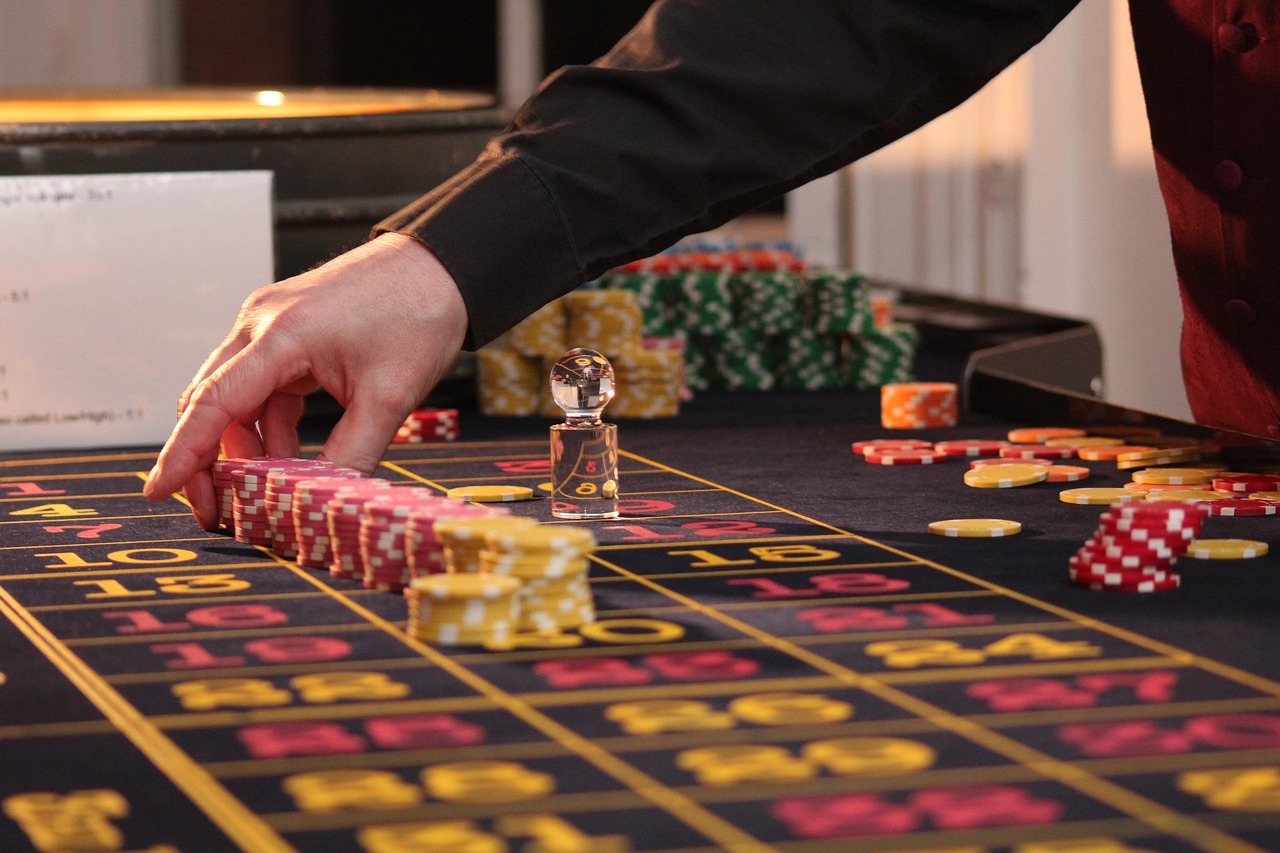
Every iGaming site sells the same dream: life-changing jackpots, effortless wins, and a system that beats the house. The reality is a lot more interesting, and honestly, more useful. Once you understand how casinos actually make their money, you stop chasing myths and start making smarter decisions. Whether you're spinning slots at 2 a.m. or sweating a Sunday parlay, the same handful of mathematical truths govern your fate. Let's dig into them without the marketing gloss.
The House Edge Is Not a Suggestion
Every game in a casino, online or brick-and-mortar, is built around a mathematical advantage for the operator. That advantage is called the house edge, and it varies wildly by game. European roulette sits around 2.7 percent. American roulette nearly doubles it to 5.26 percent because of that extra double-zero pocket. Blackjack, played with basic strategy, can drop to under 0.5 percent. And slot machines? They can range from 2 percent to 15 percent or more, depending on the machine and jurisdiction. If you want to dig deeper, สล็อต is worth a look.
What does that mean in practice? If you cycle $1,000 through a slot with a 5 percent house edge, you should expect to lose about $50 over that volume. Not every session, obviously, but over the long run. This is why the phrase the house always wins isn't a threat, it's just arithmetic. The edge doesn't care about your gut feeling or your lucky charm.
- Low-edge games: Blackjack (basic strategy), baccarat, craps (pass line with odds)
- Medium-edge games: European roulette, video poker (Jacks or Better with perfect play)
- High-edge games: American roulette, keno, most slot machines, side bets of any kind
RTP, Volatility, and Why Slots Feel Random
Modern slot machines are powered by random number generators (RNGs) that produce thousands of outcomes per second. You can't time a slot, prime it, or cool it down. It doesn't know you've been losing. Each spin is independent.
That said, slots do publish a return to player (RTP) percentage. A 96 percent RTP means the game returns $96 for every $100 wagered, on average, over millions of spins. That leaves a 4 percent house edge. But here's the trap: RTP says nothing about how a single session will go. That's where volatility comes in.
- Low volatility: Frequent small wins, slow bankroll drain. Good for long, casual sessions.
- Medium volatility: Balanced hit frequency and payout size.
- High volatility: Rare but massive wins. You can lose your bankroll fast waiting for a payout.
A 96 percent RTP slot with high volatility might eat $200 before giving you a single meaningful hit. A low-volatility game at the same RTP could stretch that same $200 across three hours. Same math, completely different experience. Knowing which one suits your budget matters more than the RTP number itself.
Poker Is a Skill Game With a Rake Problem
Poker is the exception in the casino world. You're not playing against the house, you're playing against other people. The house just takes a cut, called the rake, usually 5 percent of the pot up to a cap. That rake is the silent killer of low-stakes poker.
At a $1/$2 no-limit table with a $5 cap, the rake can strip $40 to $60 an hour off the table. If you're a marginally winning player earning $8 an hour before rake, the rake turns you into a loser. This is why bankroll management and table selection matter so much. Play too low, and the rake eats you. Play too high, and you're outclassed.
A few concrete tips for online poker players:
- Track your win rate in big blinds per 100 hands (bb/100). Anything above 5 bb/100 at micro stakes is solid.
- Use a heads-up display or tracking software if the site allows it, to spot exploitable opponents.
- Avoid tables with short-handed action and high rake caps unless the players are clearly weak.
- Move up in stakes only when you have at least 20 to 30 buy-ins for the new level.
Tournament poker is a different beast. The rake is baked into the buy-in and doesn't inflate with pot size, which makes small-stakes tournaments more forgiving than small-stakes cash games. If you're learning, sit-and-gos and low buy-in MTTs are a smart classroom.
Sports Betting: The Vig, Line Movement, and Cash-Out Traps
Sportsbooks don't need to beat you on every bet. They just need a balanced book. If they take $110 on the Chiefs and $110 on the Ravens, they've locked in roughly $10 of profit no matter who wins. That $10 is the vig, or juice, typically priced at -110 on both sides.
That -110 line translates to an implied probability of about 52.4 percent. In other words, you need to win 52.4 percent of your bets just to break even. Professional bettors grind out 55 to 57 percent long-term, which sounds small until you realize it's the difference between a hobby and a living.
Two things trip up casual bettors constantly:
- Line shopping: The same game can be -3 at one book and -2.5 at another. Over a season, that half-point is worth thousands.
- Cash-out buttons: They feel like insurance, but the payout is almost always worse than the fair value of your ticket. Use them sparingly, if at all.
Also watch for line movement. When a line moves sharply against your bet, it usually means sharper money disagrees with you. It's not a guarantee you're wrong, but it's information worth weighing.
Bonuses, Wagering Requirements, and the Fine Print Trap
Welcome bonuses look generous until you read the terms. A $500 match bonus with a 40x wagering requirement means you need to bet $20,000 before you can withdraw anything. If the bonus is tied to a high-edge game, that requirement can be mathematically impossible to clear with a profit.
Before claiming any bonus, check these numbers:
- Wagering requirement: Anything above 30x is steep. Above 50x is usually not worth it.
- Game weighting: Slots often count 100 percent toward wagering. Table games might count 10 percent or less.
- Max bet per spin: Exceeding it can void your bonus and winnings.
- Time limit: Some bonuses expire in 7 days, which is brutal for casual players.
A no-wagering bonus or a small cashback deal is almost always worth more than a big match bonus with heavy strings attached. Do the math before you claim, not after.
Bankroll Management Is the Only Real Edge
You can't control variance. You can't beat the RNG. But you can control how much you expose to it. Bankroll management is unglamorous, and it's the single habit that separates players who last from players who burn out in a weekend.
A simple framework: never wager more than 1 to 2 percent of your total iGaming bankroll on a single slot spin or sports bet. For poker cash games, keep at least 20 buy-ins for your stake. For tournaments, 50 to 100 buy-ins. And set a hard stop-loss before you start, not while you're tilted.
The players who treat iGaming as entertainment first and potential profit second tend to enjoy it more and lose less. That's not a moral judgment, it's just how the math plays out over time.
None of this is designed to scare you off. Casinos, poker rooms, and sportsbooks are genuinely fun when you understand the terms you're playing under. The trick is to stop looking for secrets and start respecting the numbers. Know the edge, pick your games deliberately, and never bet money you'd be upset to lose. Do that, and you'll be sharper than 95 percent of the people sharing the table with you.