
 A seasonal wander through the hedgerows that divide fields, and the forgotten fruits and nuts that grow there.
Hedgerow Harvest: Foraging Along the Field Boundaries of Late Summer
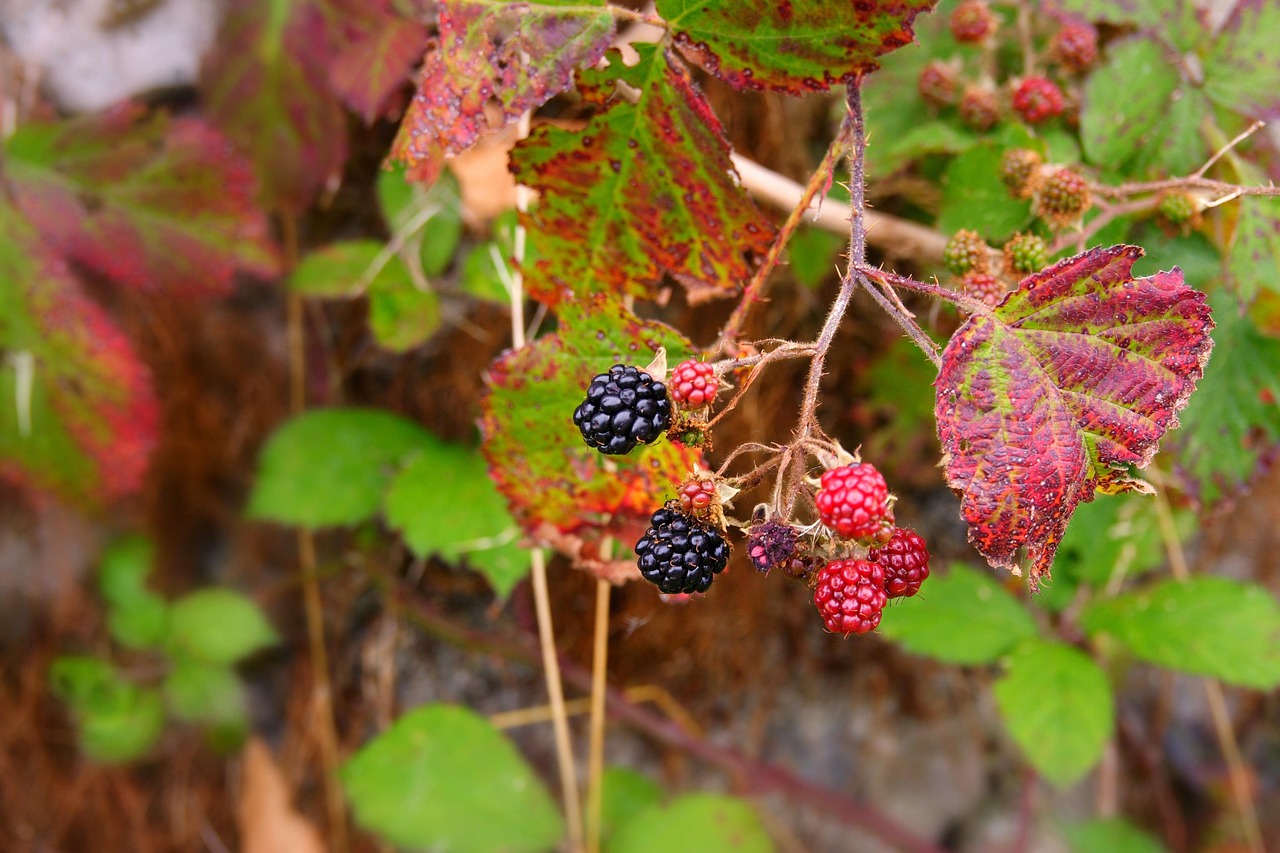
In late summer, the hedgerows begin to give. Blackberries ripen in the brambles, hazelnuts swell in their green husks, and the first sloes turn from green to dusty blue. For anyone who walks the footpaths and lanes, it is a season of quiet abundance. The hedgerow is not a garden, and it does not belong to anyone in particular, but it offers fruit to anyone who takes the time to look.
Hedgerows are among the most overlooked features of the rural landscape. They are boundaries, windbreaks, and wildlife corridors, but they are also larders. The mix of species in a hedge — hawthorn, blackthorn, hazel, dog rose, elder, and field maple — is not accidental. These are the plants that farmers and labourers encouraged because they were useful as well as practical. The hedgerow harvest was once a vital part of rural life, a way of supplementing a diet that could be monotonous and uncertain.
What to Look For and When
The foraging calendar begins in spring with young nettles and wild garlic, but it is in late summer and autumn that the hedgerow really delivers. Blackberries are the most familiar, and they are hard to miss. Look for the fattest, darkest berries, and pick above the height of a dog. The best hedges are often the oldest, with a mix of sun and shade. Avoid picking from busy roadside verges where exhaust fumes and sprays may be a problem.
Hazelnuts are trickier. The nuts ripen in clusters, each one wrapped in a leafy green husk. When the husk turns brown and the nut inside is firm, they are ready. Squirrels and dormice will get there first if you are not quick. Sloes, the fruit of the blackthorn, are too bitter to eat raw, but they make excellent gin and jelly. They are best picked after the first frost, which softens their tannins, though you can mimic the effect by freezing them at home.
Elderberries are another hedgerow staple. They hang in heavy clusters and are easy to strip from the stem with a fork. They must be cooked before eating, but they make a rich, dark syrup that is said to ward off winter colds. Crab apples, rosehips, and rowan berries all have their uses, though some require more preparation than others. The rule is simple: if you are not sure what it is, leave it alone.
The Etiquette of Foraging
Foraging in hedgerows is not the same as foraging in a nature reserve. The land usually belongs to someone, even if the footpath does not. The general rule is to pick from the path side of the hedge, take only what you need, and leave plenty for wildlife and other foragers. Do not break branches or trample the hedge. A hedge that is damaged will take years to recover.
It is also worth remembering that hedgerows are not just for humans. Birds, small mammals, and insects depend on the same fruits and nuts. A good forager takes a little and leaves the rest. The pleasure is in the walk, the search, and the taste of something that cannot be bought in a shop. In a world of neatly packaged food, the hedgerow offers something wilder and more honest. It is a reminder that the countryside is not just a view. It is a place that still feeds us, if we know where to look.