
 A look at the small country watermills that once ground flour for a single village and the volunteers who keep their wheels turning today.

Narrowboat Winter Maintenance: Keeping a Canal Boat Afloat Through the Cold Months
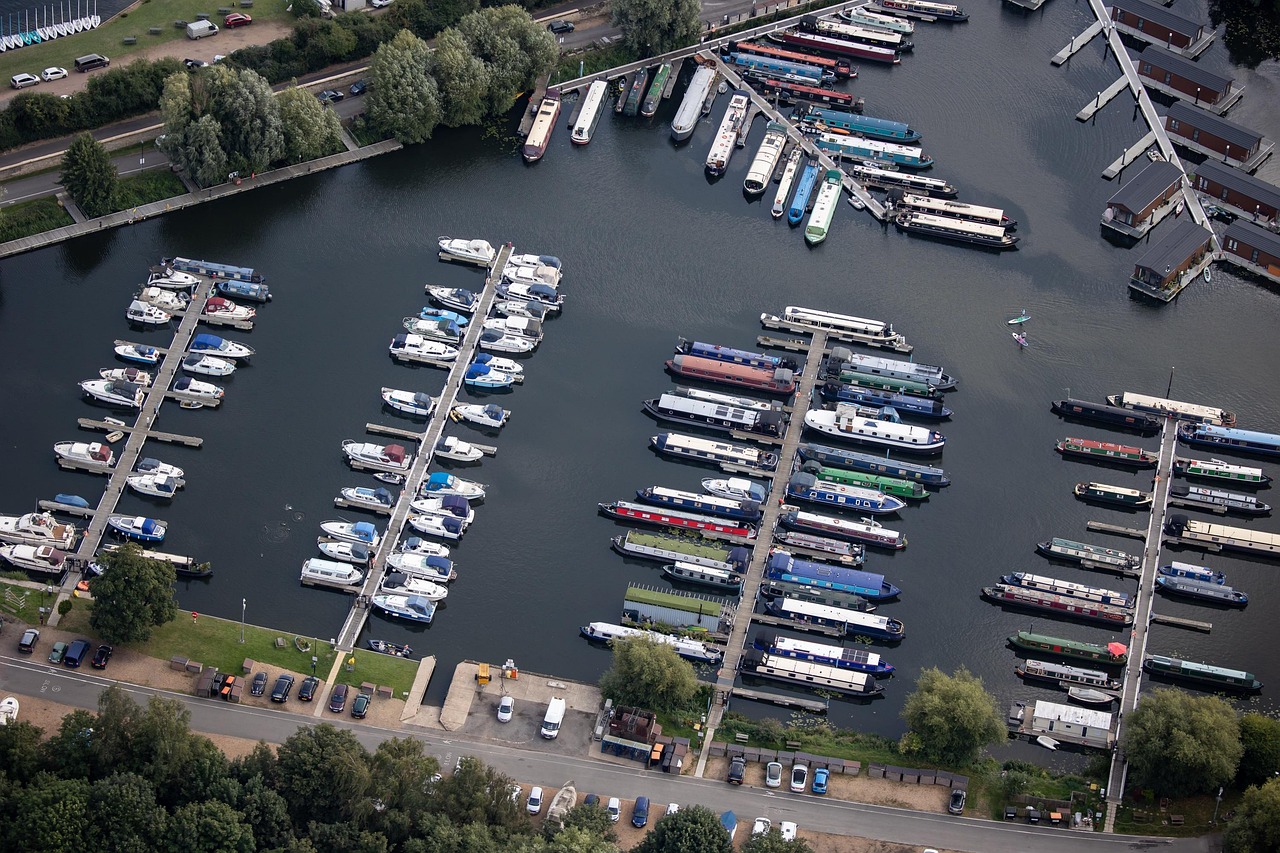
As the first hard frosts settle on the towpath, the canals change character. The summer procession of hire boats and day trippers thins to a trickle, and the waterways belong once more to the people who live on them. For liveaboard boaters, winter is not a time to retreat indoors and forget the water. It is a season of maintenance, when the smallest oversight can mean a frozen pipe, a damp bunk, or worse. The boat that is cared for in December is the boat that cruises comfortably in April.
The first task is always the water system. Narrowboats are notoriously vulnerable to frost, and a single split pipe can flood a cabin overnight. Many boaters drain their external pipes, lag everything they can reach, and keep a small heater running in the engine bay during the coldest spells. Others rely on a wood-burning stove, which does double duty: it warms the cabin and keeps the chill off the plumbing. There is an art to banking a stove for the night, damping it down so it smoulders until morning without going out or overheating the flue.
The Hull, the Engine, and the Ice
Below the waterline, winter brings its own concerns. Canal water is coldest at the surface, and in a hard freeze the ice can press against a hull with surprising force. Most boaters on exposed stretches either move to a marina or find a sheltered mooring where the ice is less likely to grip. Those who stay put often run an engine or a bubble system to keep the water moving around the hull, and they check the bilges more often than usual. A little water in the bilge in summer is a nuisance; in winter it can freeze, expand, and cause damage that is expensive to repair.
The engine, too, needs attention. Diesel can wax in cold weather, clogging filters and stalling the engine at the worst possible moment. Adding a winter additive, changing the fuel filter, and keeping the tank topped up are simple habits that prevent a great deal of misery. Batteries, meanwhile, lose capacity in the cold, so many boaters check their charge more frequently and avoid running them down. A solar panel that performed admirably in July may barely trickle in December, and the short days make every amp count.
Life Aboard in the Quiet Season
Yet winter on the canals is not merely a battle against the elements. It has its own rewards. The towpath is silent, the water is glassy, and the low sun turns the bare trees into delicate silhouettes. Boaters who stay afloat through the winter talk about the pleasure of waking to a mist-covered cut, with kingfishers darting along the hedge line and no one else in sight. The community tightens too: neighbours check on one another, share spare parts, and gather in the local pub when the ice makes walking the towpath treacherous.
For anyone considering a winter afloat, the advice is always the same. Prepare early, ask questions, and do not underestimate the cold. But do not let it put you off either. A narrowboat in winter is a small, warm world of wood smoke, lamplight, and the gentle creak of ropes against the bank. It asks for care, but it gives back a kind of quiet that the summer canals can never quite match.