
 Hedgerows, dry stone walls, and ditches are not just lines on a map; they are archives of enclosure, farming, and centuries of quiet decision-making.
The Lost Art of Hedgelaying: A Winter Tradition Worth Saving
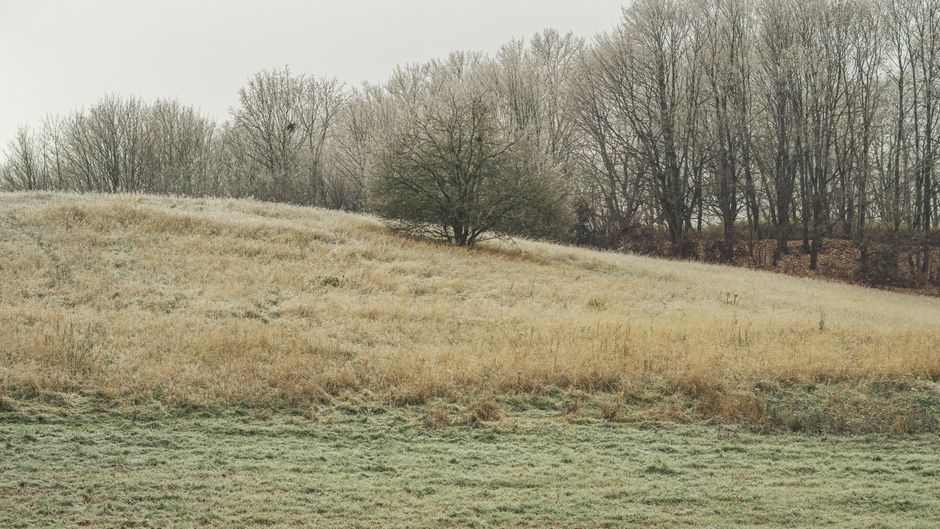
There is a particular sound that carries across a frosty field in January: the clean crack of a billhook against hazel, followed by the rustle of pleachers being laid neatly into line. For centuries, this was the soundtrack of the rural winter. Farmers and labourers would spend the coldest months cutting and bending hedgerow stems, weaving them into a living barrier that would thicken, sprout, and shelter livestock for years to come. Today, hedgelaying survives largely through the dedication of craftspeople, conservation groups, and landowners who refuse to let the skill fade.
The principle is simple, even if the execution takes years to master. A hedge is not simply cut down and left to regrow. Instead, each stem is partially severed near its base, then bent over at an angle and tucked into the line of the hedge. The remaining sliver of wood keeps the plant alive, and in spring it sends up fresh growth from the cut. The result is a dense, stock-proof boundary that is also a haven for birds, insects, and small mammals. A laid hedge is, in effect, a hedge that has been given a second life.
Regional Styles and Local Knowledge
What makes hedgelaying so fascinating is how much it varies from place to place. In Devon, hedges are laid high and steep, often with a bank beneath them, suited to the deep lanes and rolling fields of the West Country. In the Midlands, the Bullock style produces a lower, squarer hedge, while the Welsh style uses a double-brushed finish that looks almost sculptural. Each region developed its own approach because each region had different soil, different livestock, and different weather. The hedge was never a generic product; it was a local answer to a local problem.
Learning these styles today means learning from people who have spent decades with a billhook in hand. Many county hedgelaying societies run winter competitions, where competitors work against the clock on a stretch of hedge while judges inspect the neatness of their pleaching and the fineness of their finish. These events are as much social gatherings as they are contests, with thermos flasks, muddy boots, and a shared appreciation for work done well.
Why It Still Matters
It would be easy to dismiss hedgelaying as a nostalgic hobby, charming but irrelevant. That would be a mistake. A well-laid hedge is one of the most effective wildlife corridors we have, offering food, shelter, and nesting sites in a single structure. It also slows wind, reduces soil erosion, and captures carbon in its dense woody growth. Unlike a fence, it repairs itself, grows stronger with age, and asks for nothing but a few days of skilled attention every decade or so.
For anyone curious about rural heritage, hedgelaying offers a way in that is both practical and deeply satisfying. You do not need a farm to learn. Many conservation charities run introductory courses, and a surprising number of allotments and community gardens now include a stretch of hedge managed by hand. The tools are simple, the techniques are old, and the reward is visible for years. In a world of disposable boundaries, there is something quietly radical about a hedge that is meant to outlive the person who laid it.